Pet Soft Tissue Surgery in Chelsea, MI

At Chelsea Animal Hospital, we provide pet soft tissue surgery for dogs and cats in Chelsea and surrounding communities. We approach every surgical procedure—routine or complex—with careful preparation, close monitoring, and attention to your pet’s safety and comfort from start to finish.
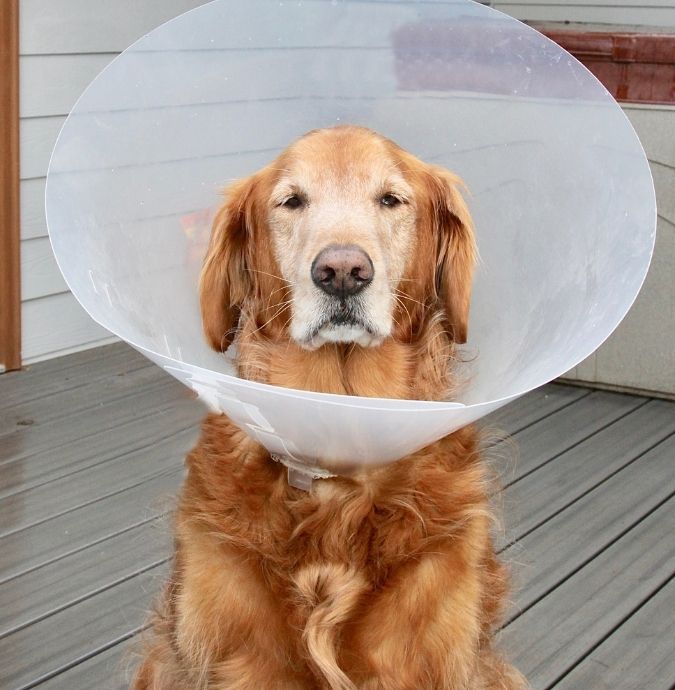
A golden retriever dog wears a clear plastic cone around its head, sitting on a wooden porch.

What Is Soft Tissue Surgery?

Soft tissue surgery refers to surgical procedures that involve the body’s organs, skin, and other non-skeletal structures. It encompasses a wide range of procedures—from common surgeries like spaying and neutering to more involved interventions addressing internal organ conditions, masses, wounds, and other concerns. Soft tissue surgery is one of the most frequently performed categories of veterinary surgery and an important part of comprehensive pet care.

At Chelsea Animal Hospital, our veterinary surgery services are performed with the same individualized approach we bring to every aspect of patient care. We take the time to thoroughly evaluate each patient before surgery, walk you through the procedure and what to expect, and provide attentive post-operative support to help your pet recover as comfortably as possible.

Soft Tissue Surgical Procedures We Perform

Our veterinary team performs a range of soft tissue surgical procedures for dogs and cats, including:

Spaying and neutering

Spaying and neutering are among the most common surgical procedures we perform. If you’d like more detailed information about these specific procedures, visit our dedicated pet spaying and neutering page.

Mass and tumor removal

Lumps, bumps, and masses on or beneath the skin are a common finding in dogs and cats—particularly as they age. Surgical removal may be recommended when a mass is growing, causing discomfort, or has been identified as potentially concerning through diagnostic testing. Removed tissue is typically sent for pathological analysis to help guide any further treatment.

Wound repair and laceration treatment

Injuries that result in significant skin damage, deep lacerations, or tissue loss often require surgical repair. Our team can assess the wound, clean and debride the affected area, and close it in a way that promotes effective healing and minimizes the risk of infection.

Gastrointestinal surgery

In some cases, pets may require surgery to address obstructions, foreign body ingestion, or gastrointestinal conditions that cannot be managed medically. These procedures require careful pre-surgical evaluation, precise technique, and close post-operative monitoring—all of which our team is equipped to provide.

Bladder and urinary surgery

Bladder stones, urinary obstructions, and certain urinary tract conditions may require surgical intervention when other treatments are not sufficient. Our team can evaluate your pet’s situation through diagnostic imaging and determine whether surgery is the most appropriate course of action.

Eyelid and eye surgeries

Certain ophthalmic conditions—such as entropion, ectropion, or cherry eye—can cause significant discomfort and may require surgical correction to protect your pet’s vision and comfort.

Our Approach to Surgical Safety

Your pet’s safety is our highest priority throughout every stage of the surgical process. At Chelsea Animal Hospital, our approach to pet surgery services includes:

Pre-surgical evaluation

Before any procedure, our veterinarians perform a thorough physical exam and review your pet’s full health history. We typically recommend pre-anesthetic blood work to confirm your pet’s organ function and overall health status prior to anesthesia. This step helps us anticipate and minimize risk.

Anesthesia and monitoring

Your pet will be placed under general anesthesia for soft tissue surgical procedures. Our team monitors vital signs continuously throughout the procedure—including heart rate, blood pressure, respiratory rate, and oxygen levels—to ensure your pet remains stable and comfortable from start to finish.

Pain management

We use a multimodal approach to pain management, addressing discomfort before, during, and after surgery. Our goal is to keep your pet as comfortable as possible throughout the entire experience. In appropriate cases, laser therapy may also be recommended as part of post-surgical pain management and recovery support.

Post-operative care

Before your pet goes home, we’ll walk you through detailed aftercare instructions, explain what’s normal during recovery, and let you know what signs warrant a call to our team. We’re here to answer questions throughout the recovery period and will follow up to ensure your pet is healing well.

Preparing for Your Pet's Surgery

Knowing what to expect before surgery day can help reduce stress for both you and your pet. Here are a few things to keep in mind:

Your pet will typically need to fast before surgery—we’ll provide specific fasting instructions in advance. Bring any medications your pet is currently taking so we can review them before proceeding. Plan for your pet to rest quietly at home following the procedure. We’ll give you clear guidance on activity restrictions and wound care. Keep follow-up appointments—they’re an important part of ensuring your pet heals properly and comfortably.

If you have questions at any point before or after your pet’s procedure, our team is always happy to talk through them with you.

FAQs About Pet Soft Tissue Surgery

How do I know if my pet needs surgery?
Surgery is recommended when a condition cannot be adequately addressed through medication, dietary changes, or other non-surgical treatments. Our veterinarians will discuss all available options with you and explain why surgery may be the most appropriate path for your pet’s specific situation. Diagnostic imaging and lab work often play an important role in making that determination.
Is soft tissue surgery safe for older pets?

Age alone is not a disqualifying factor for surgery. What matters most is your pet’s overall health status—which we evaluate thoroughly before any procedure. Many senior pets undergo soft tissue surgery safely and go on to experience a significantly improved quality of life as a result. Learn more about our approach to senior pet care.

How long will my pet's recovery take?
Recovery time varies depending on the procedure, your pet’s age and overall health, and how well post-operative instructions are followed at home. Minor procedures may allow pets to return to normal activity within a week or two, while more involved surgeries may require a longer recovery period. Our team will give you a realistic timeline specific to your pet’s procedure.
Will my pet be in pain after surgery?
Some discomfort following surgery is normal, but our pain management protocols are designed to keep your pet as comfortable as possible. We’ll send appropriate pain relief home with your pet and provide clear instructions on how to administer it. If your pet seems to be in significant pain despite medication, contact us right away.
Can laser therapy help with my pet's surgical recovery?
Yes—pet laser therapy can be a valuable complement to post-surgical recovery, helping to reduce inflammation, ease discomfort, and support tissue healing. Our team can discuss whether this is an appropriate addition to your pet’s recovery plan.

Skilled Surgical Care with a Personal Touch

Pet surgery is never a decision taken lightly—by pet owners or by our team. At Chelsea Animal Hospital, we bring more than three decades of veterinary experience to every procedure, combined with a genuine commitment to treating each patient as an individual. Families throughout Washtenaw County trust us with their pets’ surgical care because they know our team will be honest, thorough, and compassionate every step of the way—from the initial conversation to the final follow-up.