Pet Laser Therapy in Chelsea, MI
Chelsea Animal Hospital features advanced pet laser therapy for dogs and cats in Chelsea, Dexter, and the surrounding area. For pets managing pain, recovering from injury or surgery, or living with chronic conditions, laser therapy provides a gentle, non-invasive option to support comfort and healing.
What Is Pet Laser Therapy?
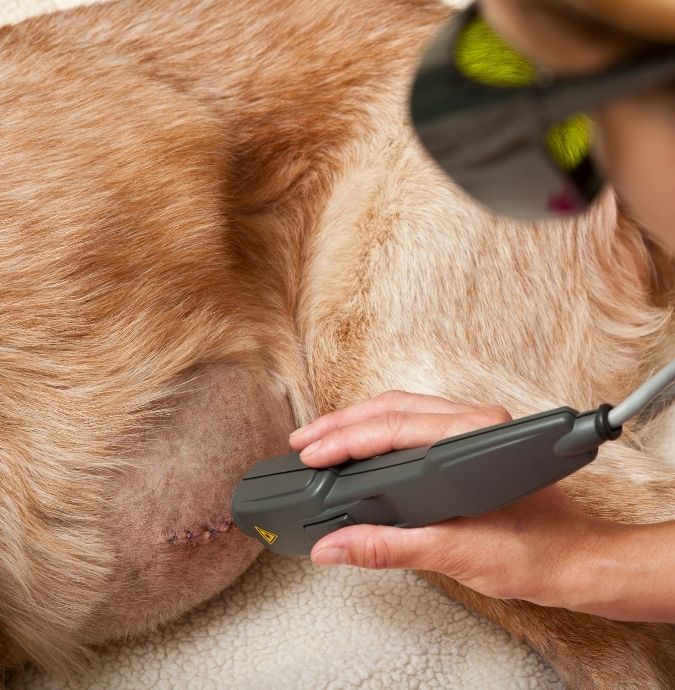
Laser therapy has become an increasingly well-supported tool in veterinary medicine, with a growing body of research demonstrating its benefits for a range of conditions in dogs and cats. It is most effective when used as part of a coordinated care plan and can complement a wide variety of conventional and integrative treatments.
What Can Pet Laser Therapy Help With?
Pain and inflammation management
Post-surgical and injury recovery
Following soft tissue surgery or a physical injury, laser therapy can support faster tissue repair, reduce swelling, and minimize post-operative discomfort. It is often incorporated into recovery protocols to help pets return to comfort and normal function more quickly.
Wound healing
Nerve and neurological conditions
Pets experiencing nerve damage or neurological conditions may benefit from laser therapy’s ability to support nerve regeneration and reduce associated pain. It is sometimes used alongside acupuncture for a more comprehensive rehabilitative approach.
Chronic condition management
For pets managing ongoing conditions such as arthritis, intervertebral disc disease, or hip dysplasia, regular laser therapy sessions can provide sustained pain relief and help maintain quality of life over time. This is especially relevant as part of a senior pet care plan, where managing comfort and mobility is a priority.
What to Expect During a Laser Therapy Session
Before treatment
Our veterinarian will evaluate your pet’s condition and discuss whether laser therapy is an appropriate fit. This may include a review of your pet’s health history, current symptoms, and any recent diagnostic findings. We’ll explain the treatment plan, expected outcomes, and how laser therapy fits into your pet’s broader care.
During treatment
After treatment
Treatment frequency
Is Pet Laser Therapy Safe?
When administered by a trained veterinary professional, laser therapy is considered a very safe treatment option for dogs and cats. It is non-invasive, produces no known significant side effects, and does not require sedation or anesthesia in most cases. As with any treatment, there are specific situations where laser therapy may not be appropriate—for example, directly over a tumor, the eyes, or certain skin conditions. Our team will conduct a thorough evaluation before beginning treatment to confirm it is safe and suitable for your pet.
FAQs About Pet Laser Therapy
Is laser therapy painful for pets?
How soon will my pet show improvement?
Can laser therapy be used alongside my pet's other treatments?
Yes. One of the strengths of laser therapy is how well it integrates with other forms of care. It can be used safely alongside medications, nutritional counseling, acupuncture, and surgical recovery protocols. Our team will review your pet’s full care plan to ensure all treatments work together effectively.
Is my pet a good candidate for laser therapy?
How does laser therapy differ from acupuncture?
Gentle, Effective Healing Support for Pets in Our Community
Pet laser therapy reflects the kind of thoughtful, whole-patient care that has defined Chelsea Animal Hospital’s approach for more than 30 years. Whether your dog is recovering from surgery, your cat is managing the discomfort of arthritis, or you’re simply looking for gentle ways to support your senior pet’s quality of life, our team is here to help you explore every option available. Families across the greater Chelsea area trust us to bring both expertise and genuine compassion to every treatment decision—and laser therapy is no exception.